
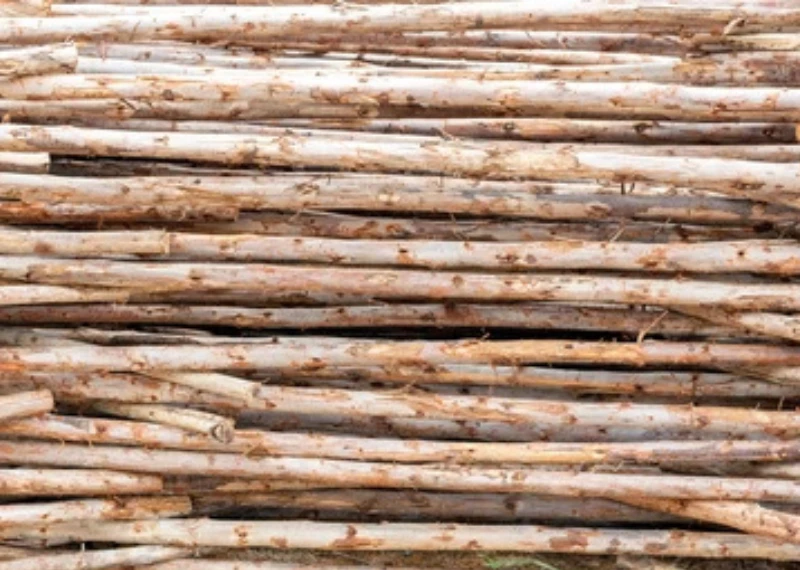
Peeling Logs: The First Step Towards Stronger, Longer-Lasting Timber
Every piece of exceptional timber begins its journey long before it reaches a construction site or a furniture workshop. One of the most important stages in that journey is log peeling, the process of removing the bark, and sometimes the thin cambium layer beneath it, from freshly harvested logs. While it may appear to be a simple preparation step, peeling plays a crucial role in improving the quality, durability, and longevity of wood. Whether the timber is destined for a rustic log cabin, premium furniture, architectural cladding, or structural construction, properly peeled logs provide a cleaner and more reliable foundation for every application.
The bark of a tree naturally protects it while it’s growing, but once harvested, that same bark can become the wood’s biggest weakness. It traps moisture, creating ideal conditions for fungi, mould, and decay to develop over time. It also provides shelter for insects such as beetles, termites, and ants, which can damage the timber from within. By removing the bark, the wood dries more evenly, significantly reducing the risk of rot, pest infestation, warping, and cracking. Peeling also prepares the timber for preservatives, stains, and protective sealants, allowing these treatments to penetrate deeper into the wood and provide better long-term protection against weathering and environmental exposure.
Beyond improving durability, peeled logs offer practical and aesthetic advantages that make them highly valued across the timber industry. Their smooth, uniform surface creates a cleaner, more refined appearance while still preserving the natural grain that gives wood its timeless character. This makes peeled logs an excellent choice for exposed structural beams, log homes, decorative furniture, fencing, and architectural projects where natural beauty is just as important as performance. Depending on the project, peeling can be carried out using traditional hand tools such as drawknives and spud tools for precision work, mechanical peeling machines for large-scale production, or by allowing logs to dry naturally until the bark loosens on its own. Regardless of the method, the goal remains the same, to produce timber that’s stronger, easier to work with, and built to last.
At Saraswati Wood Pvt. Ltd., quality begins long before timber reaches the customer. Every stage of processing is carried out with a focus on performance, durability, and craftsmanship, ensuring that the wood is prepared to meet the highest industry standards. Properly peeled logs provide a stronger foundation for construction, furniture manufacturing, architectural woodwork, and outdoor applications, helping every finished product achieve greater longevity and visual appeal. By investing in carefully processed timber, builders, architects, and homeowners can create spaces that are not only beautiful but also designed to stand the test of time.